
Introduction
In the rapidly evolving healthcare industry, hospitals must adopt advanced technologies to ensure patient safety, operational efficiency, and compliance with stringent medical standards. One of the most significant advancements in surgical infrastructure is Modular OT Setup Services. These services provide hospitals with state-of-the-art operating theatres designed to maintain sterility, improve workflow, and support complex surgical procedures.
Altus Airflow, a trusted name in healthcare infrastructure, specializes in delivering high-quality modular operating theatres tailored to the specific needs of medical institutions. By integrating modern engineering with healthcare compliance, Modular OT Setup Services help hospitals enhance surgical outcomes while ensuring long-term reliability and scalability.
What Are Modular OT Setup Services?
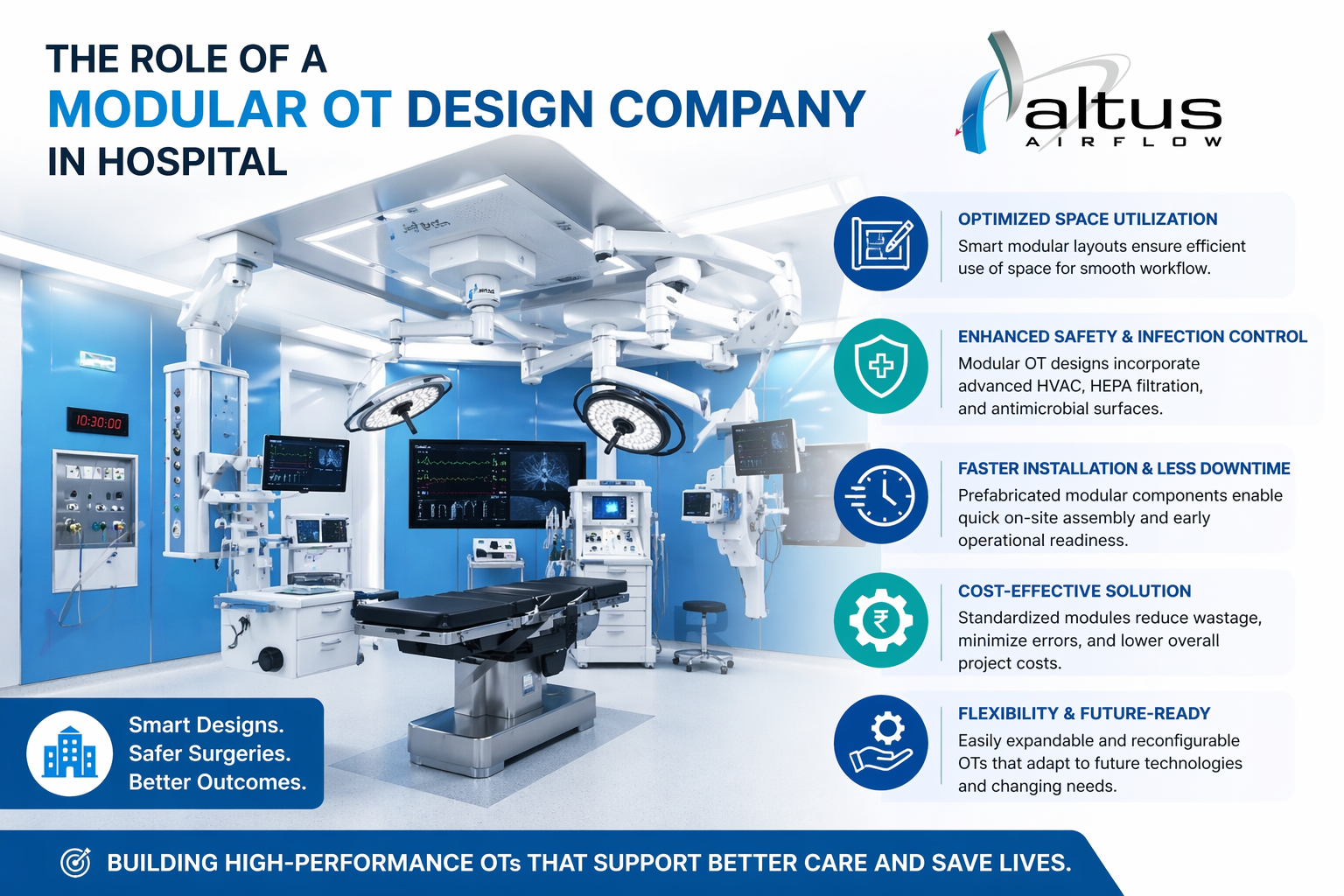
Modular OT (Operating Theatre) Setup Services involve the design, manufacturing, installation, and commissioning of prefabricated operating rooms. These theatres are constructed using modular panels and integrated systems that ensure optimal hygiene, controlled airflow, and seamless functionality.
Key Components of a Modular OT
Wall and Ceiling Panels: Typically made from PUF or HPL materials for easy cleaning and durability.
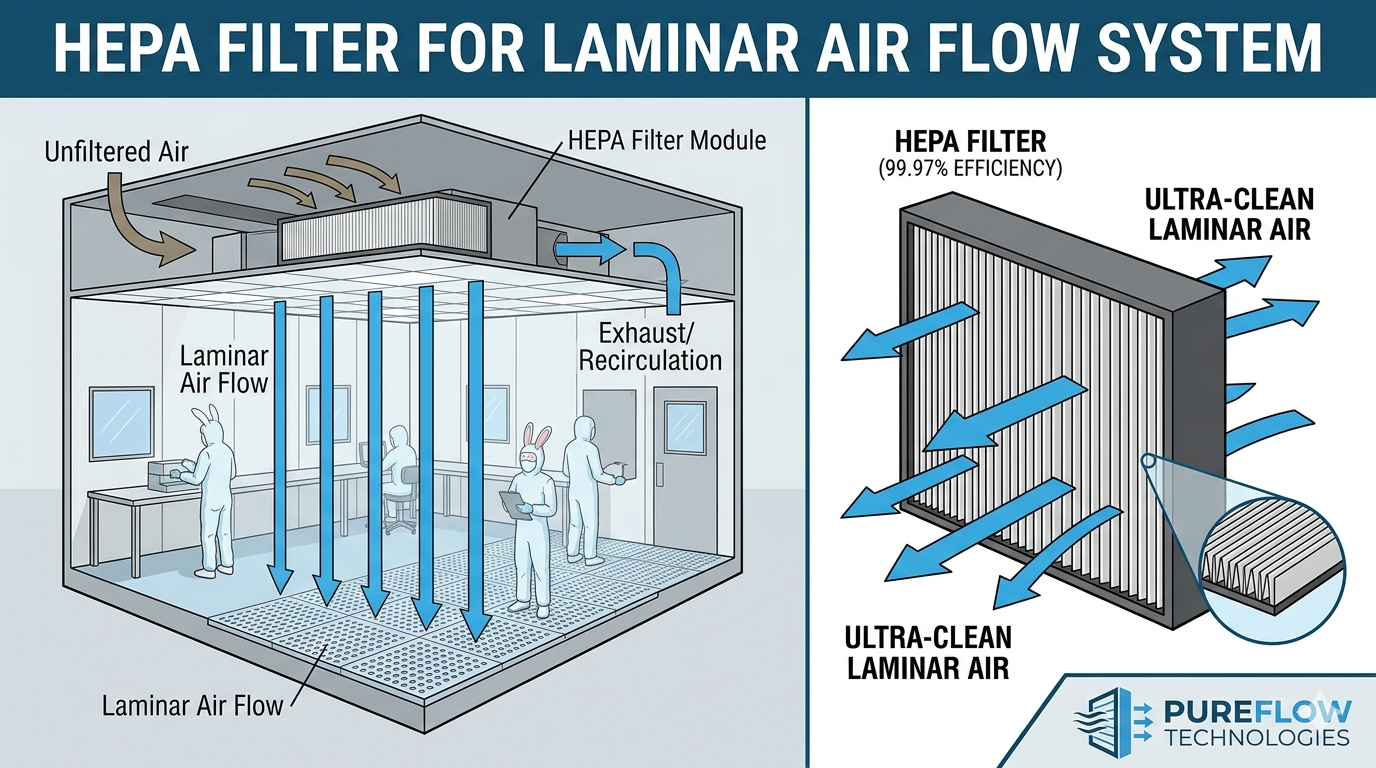
Laminar Airflow Systems: Maintain a sterile environment by controlling airborne contaminants.
HEPA Filtration: Ensures high-efficiency removal of bacteria and particles.
OT Lighting Systems: Provide shadow-free illumination for precise surgical procedures.
Medical Gas Pipeline Systems (MGPS): Supply essential gases such as oxygen and nitrous oxide.
Hermetically Sealed Doors: Prevent contamination and maintain pressure differentials.
Control Panels: Enable centralized monitoring of OT parameters.
Antistatic and Seamless Flooring: Minimizes microbial growth and static electricity.
Importance of Modular OT Setup Services for Hospitals
1. Enhanced Infection Control
Infection prevention is critical in surgical environments. Modular OTs are designed with smooth, seamless surfaces that prevent the accumulation of dust and microorganisms. Integrated HEPA filtration and laminar airflow systems maintain sterile conditions, significantly reducing the risk of Surgical Site Infections (SSIs).
2. Compliance with International Standards
Hospitals must adhere to strict healthcare regulations such as NABH, ISO, and HTM standards. Modular OT Setup Services ensure compliance with these guidelines by incorporating validated materials, controlled environments, and advanced monitoring systems.
3. Faster Installation and Commissioning
Unlike traditional construction, modular OTs are prefabricated and assembled on-site, drastically reducing installation time. This enables hospitals to become operational quickly, minimizing disruptions to healthcare services.
4. Flexibility and Scalability
Healthcare facilities often need to expand or upgrade their infrastructure. Modular OTs offer flexibility, allowing hospitals to modify layouts, integrate new technologies, or relocate components without major structural changes.
5. Improved Workflow and Efficiency
A well-designed modular OT optimizes the movement of surgical teams, equipment, and patients. Efficient layouts reduce procedural delays and enhance coordination, leading to better surgical outcomes.
6. Superior Air Quality Management
Maintaining clean air is essential for patient safety. Laminar airflow systems ensure a continuous flow of filtered air, while HEPA filters remove up to 99.97% of airborne particles, creating a contamination-free environment.
7. Durability and Low Maintenance
Modular OTs are constructed using robust materials resistant to corrosion, chemicals, and microbial growth. Their seamless design simplifies cleaning and reduces maintenance requirements, ensuring long-term reliability.
8. Integration of Advanced Technology
Modern surgeries require sophisticated equipment such as imaging systems, robotic surgical tools, and digital monitoring devices. Modular OT Setup Services facilitate seamless integration of these technologies, enhancing surgical precision.
9. Energy Efficiency
Energy-efficient HVAC systems and LED lighting reduce power consumption while maintaining optimal environmental conditions. This contributes to sustainable hospital operations and environmental responsibility.
10. Enhanced Patient and Staff Safety
By maintaining controlled environments, ergonomic layouts, and advanced monitoring systems, modular OTs ensure the safety and comfort of both patients and healthcare professionals.
Key Features of Modular OT Setup Services by Altus Airflow
1. Customized Design Solutions
Altus Airflow provides tailored modular OT designs based on hospital requirements, surgical specialties, and spatial constraints.
2. End-to-End Project Management
From planning and design to installation and commissioning, Altus Airflow ensures seamless project execution.
3. High-Quality Materials
The company uses premium materials that comply with international healthcare standards, ensuring durability and hygiene.
4. Advanced HVAC and Airflow Systems
State-of-the-art ventilation systems maintain optimal temperature, humidity, and air cleanliness.
5. Seamless Integration of Medical Utilities
Altus Airflow integrates lighting, MGPS, control panels, and communication systems into a unified infrastructure.
6. Regulatory Compliance
All installations adhere to NABH, ISO, and other international healthcare guidelines.
7. Post-Installation Support
Comprehensive maintenance and support services ensure long-term operational efficiency.
Applications of Modular OT Setup Services
1. Multispecialty Hospitals
Large hospitals benefit from modular OTs by accommodating various surgical specialties within a standardized infrastructure.
2. Specialty Clinics
Clinics focusing on orthopedics, cardiology, neurology, or cosmetic surgery can implement modular OTs to enhance procedural efficiency.
3. Emergency and Trauma Centers
Rapid installation makes modular OTs ideal for emergency healthcare facilities requiring immediate operational readiness.
4. Teaching and Research Hospitals
Academic institutions utilize modular OTs for advanced surgical training and research, integrating audiovisual and simulation technologies.
5. Rural and Remote Healthcare Facilities
Prefabricated modular OTs enable the establishment of high-quality surgical facilities in underserved regions.
Modular OT vs. Conventional OT
FeatureModular OTConventional OTInstallation TimeFastLengthyInfection ControlSuperiorModerateFlexibilityHighLimitedMaintenanceEasyComplexComplianceBuilt-inRequires additional effortScalabilityEasy to expandDifficult to modify
Steps Involved in Modular OT Setup
1. Requirement Analysis
Understanding the hospital’s needs, surgical specialties, and available space.
2. Design and Planning
Developing detailed layouts, airflow simulations, and compliance strategies.
3. Manufacturing
Prefabrication of modular components under controlled conditions.
4. Installation
On-site assembly of panels, HVAC systems, and medical utilities.
5. Testing and Validation
Ensuring compliance with environmental and safety standards.
6. Training and Handover
Providing operational training to hospital staff for efficient usage.
Role of Technology in Modern Modular OTs
1. Smart Control Systems
Centralized control panels allow monitoring of temperature, humidity, and pressure differentials.
2. Integration with Hospital Information Systems
Digital connectivity enhances data management and surgical coordination.
3. Robotic Surgery Compatibility
Modular OTs support advanced robotic systems, enabling minimally invasive procedures.
4. Telemedicine and Remote Monitoring
Facilitates real-time collaboration with specialists worldwide.
Why Choose Altus Airflow for Modular OT Setup Services?
1. Industry Expertise
Altus Airflow brings extensive experience in designing and implementing advanced healthcare infrastructure.
2. Customized Turnkey Solutions
The company offers end-to-end services tailored to the unique requirements of each hospital.
3. Commitment to Quality
Strict adherence to international standards ensures reliable and safe operating environments.
4. Innovative Engineering
Integration of cutting-edge technologies enhances surgical efficiency and patient safety.
5. Reliable After-Sales Support
Comprehensive maintenance services ensure uninterrupted OT operations.
Future Trends in Modular OT Setup
1. AI-Enabled Surgical Environments
Artificial intelligence will enhance predictive maintenance and surgical precision.
2. Green and Sustainable OTs
Energy-efficient systems and eco-friendly materials will reduce environmental impact.
3. Hybrid Operating Rooms
Integration of imaging technologies will enable complex and minimally invasive procedures.
4. Enhanced Infection Control Technologies
Advanced antimicrobial surfaces and UV sterilization systems will further improve safety.
Conclusion
The healthcare sector demands infrastructure that ensures safety, efficiency, and adaptability. Modular OT Setup Services have emerged as a transformative solution, enabling hospitals to meet these requirements with precision and reliability. From superior infection control and regulatory compliance to rapid installation and technological integration, modular operating theatres significantly enhance surgical outcomes and operational efficiency.
Altus Airflow stands at the forefront of this transformation, offering customized and high-quality solutions tailored to the evolving needs of modern healthcare facilities. By investing in Modular OT Setup Services, hospitals can ensure a safer environment for patients and medical professionals while preparing for the future of surgical care.
Frequently Asked Questions (FAQs)
1. What are Modular OT Setup Services?
Modular OT Setup Services involve the design, manufacturing, installation, and commissioning of prefabricated operating theatres equipped with advanced airflow, filtration, and medical utility systems to ensure sterile and efficient surgical environments.
2. How do modular OTs help in infection control?
They utilize seamless surfaces, HEPA filtration, and laminar airflow systems to minimize airborne contamination and reduce the risk of surgical site infections.
3. Are modular operating theatres compliant with healthcare standards?
Yes, modular OTs are designed to comply with international standards such as NABH, ISO, and HTM, ensuring safety and reliability.
4. Can modular OTs be customized for different surgical specialties?
Absolutely. Modular OTs can be tailored to meet the specific requirements of various specialties, including cardiology, orthopedics, neurology, and more.
5. What maintenance is required for modular operating theatres?
Routine maintenance includes HVAC system checks, filter replacements, and periodic validation of environmental parameters to ensure optimal performance.
6. Are modular OTs suitable for small hospitals or clinics?
Yes, their scalability and flexibility make them ideal for healthcare facilities of all sizes, including small hospitals and specialty clinics.
7. How long does it take to install a modular OT?
Installation time is significantly shorter than conventional OTs due to prefabrication and streamlined on-site assembly.
8. Can existing hospitals upgrade to modular OTs?
Yes, modular systems can be integrated into existing infrastructures with minimal disruption to hospital operations.
9. What technologies can be integrated into modular OTs?
Technologies such as robotic surgery systems, telemedicine, advanced imaging, and smart environmental controls can be seamlessly incorporated.
10. Why should hospitals choose Altus Airflow?
Altus Airflow offers turnkey solutions, industry expertise, regulatory compliance, and reliable post-installation support, making it a trusted partner for modular OT projects.
Read Our Previous Blog ----------->What services does a Modular OT Engineering Company offer?
Write a comment ...