
Introduction
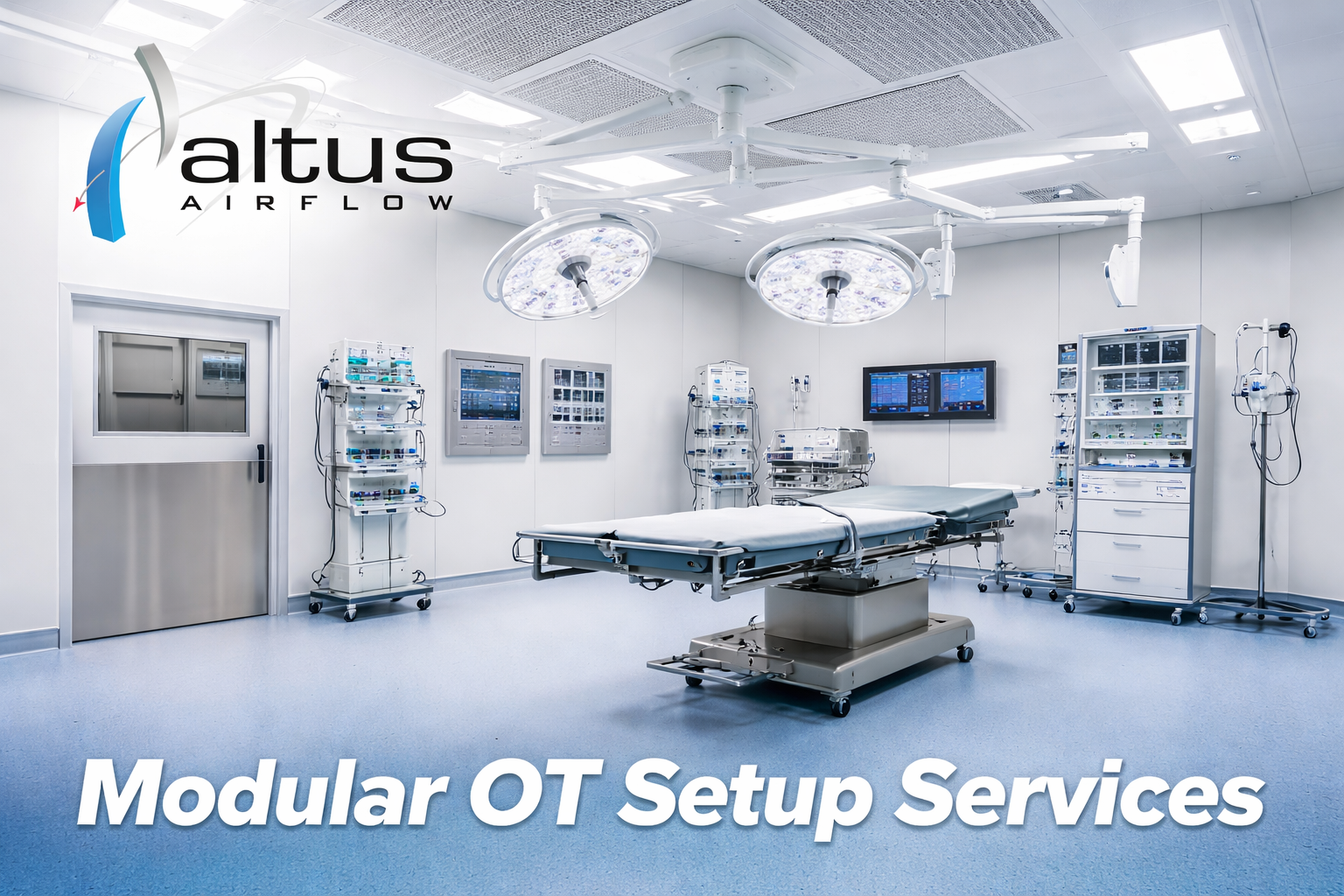
Modern hospitals require highly advanced, sterile, and efficient surgical environments to meet the growing demands of patient care. This is where a Modular OT Design Company plays a crucial role. These specialized companies are responsible for designing and delivering state-of-the-art operating theatres that ensure safety, compliance, and efficiency.
Altus Airflow, a trusted Modular OT Design Company, provides comprehensive solutions tailored to the needs of healthcare facilities. From concept planning to final execution, these companies ensure that operating theatres meet international standards and integrate advanced medical technologies. The involvement of a Modular OT Design Company significantly improves surgical outcomes, enhances workflow efficiency, and ensures long-term reliability.
What is a Modular OT Design Company?
A Modular OT Design Company is an expert organization that focuses on designing, engineering, and implementing modular operating theatres using prefabricated components. These companies combine architectural planning, mechanical systems, and medical requirements to create sterile and efficient surgical environments.
Core Responsibilities
Designing sterile operating environments
Ensuring compliance with healthcare regulations
Integrating advanced medical systems
Optimizing workflow and space utilization
Delivering scalable and future-ready solutions
Key Roles of a Modular OT Design Company in Hospital Projects
1. Requirement Analysis and Consultation
The first role of a Modular OT Design Company is to understand the hospital’s specific needs. This includes evaluating space, surgical specialties, and workflow requirements.
Key Activities:
Site assessment and feasibility study
Understanding clinical requirements
Planning based on hospital capacity
Identifying compliance standards
2. Customized Modular OT Design
Design is one of the most critical roles. A Modular OT Design Company creates layouts that ensure efficiency, sterility, and ease of operation.
Design Considerations:
Zoning of sterile and non-sterile areas
Airflow and HVAC planning
Equipment placement
Lighting and electrical systems
Surgeon and staff workflow
3. Ensuring Infection Control
Infection control is a top priority in operating theatres. Modular designs incorporate:
Seamless wall and ceiling panels
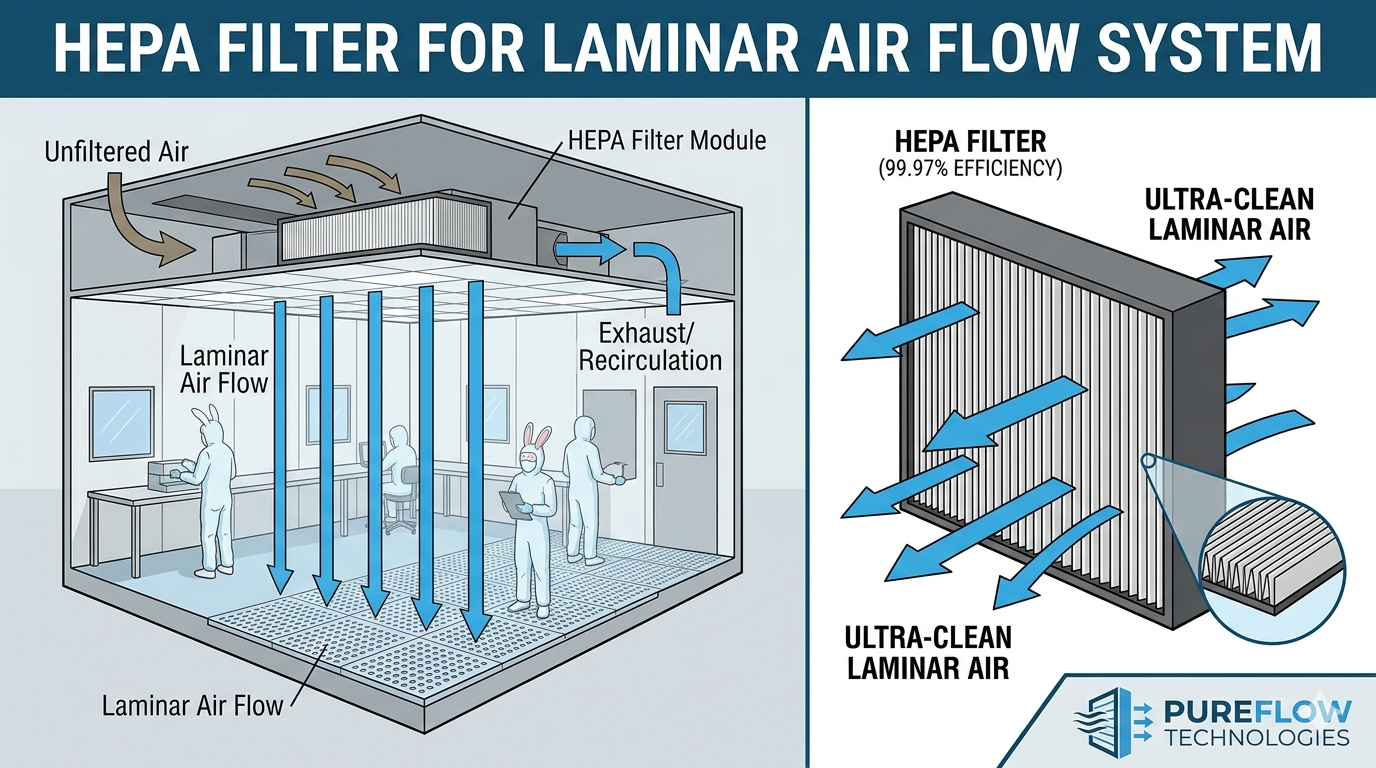
HEPA filtration systems
Laminar airflow systems
Hermetically sealed doors
These features significantly reduce the risk of surgical site infections.
4. Integration of Advanced Technologies
A Modular OT Design Company ensures that modern technologies are seamlessly integrated into the OT.
Technologies Include:
Robotic surgery systems
Advanced imaging equipment
Telemedicine systems
Smart control panels
Surgical pendants
5. Compliance with Healthcare Standards
Hospitals must comply with strict regulations such as NABH, ISO, and HTM guidelines. A Modular OT Design Company ensures that all designs meet these standards.
6. Project Planning and Coordination
These companies act as a central point of coordination between architects, engineers, and hospital management.
Responsibilities Include:
Timeline planning
Resource allocation
Coordination with vendors
Quality control
7. Prefabrication and Quality Assurance
A key advantage of modular OTs is prefabrication. Components are manufactured in controlled environments, ensuring:
High precision
Consistent quality
Faster installation
8. Installation and Execution
A Modular OT Design Company oversees the installation process, ensuring that all components are assembled correctly and efficiently.
9. Testing and Validation
Before commissioning, the OT undergoes rigorous testing:
Airflow testing
HEPA filter validation
Particle count checks
Temperature and humidity control
Pressure differential testing
10. Training and Handover
After installation, hospital staff are trained to operate and maintain the modular OT effectively.
11. Maintenance and Support
Ongoing maintenance ensures long-term performance. Services include:
HVAC servicing
Filter replacement
System calibration
Technical support
Benefits of Hiring a Modular OT Design Company
1. Enhanced Patient Safety
Sterile environments reduce infection risks.
2. Efficient Workflow
Optimized layouts improve surgical efficiency.
3. Faster Project Completion
Prefabrication speeds up installation.
4. Customization
Tailored solutions for different hospital needs.
5. Regulatory Compliance
Ensures adherence to healthcare standards.
6. Long-Term Reliability
High-quality materials ensure durability.
Applications in Hospital Projects
Multispecialty hospitals
Specialty clinics
Emergency and trauma centers
Teaching hospitals
Rural healthcare facilities
Why Choose Altus Airflow?
1. Industry Expertise
Extensive experience in modular OT solutions.
2. Customized Designs
Tailored to meet hospital-specific needs.
3. Advanced Engineering
Integration of modern technologies.
4. Compliance Assurance
Adherence to NABH, ISO, and global standards.
5. Reliable Support
Comprehensive after-sales services.
Future Trends in Modular OT Design
1. Smart Operating Theatres
Real-time monitoring and automation.
2. AI Integration
Predictive maintenance and enhanced precision.
3. Sustainable Designs
Energy-efficient systems and eco-friendly materials.
4. Hybrid OTs
Combination of surgical and imaging capabilities.
Conclusion
The role of a Modular OT Design Company is vital in modern hospital projects. From planning and design to execution and maintenance, these companies ensure the creation of safe, efficient, and technologically advanced operating theatres.
Altus Airflow, as a leading Modular OT Design Company, provides comprehensive solutions that enhance patient safety, improve surgical outcomes, and ensure compliance with healthcare standards. Partnering with an experienced company ensures long-term success and future-ready healthcare infrastructure.
Frequently Asked Questions (FAQs)
1. What does a Modular OT Design Company do?
A Modular OT Design Company is responsible for designing, planning, and implementing modular operating theatres that ensure sterility, efficiency, and compliance with healthcare standards.
2. Why are modular OTs important in hospitals?
They improve infection control, enhance workflow, and support advanced surgical technologies.
3. Are modular OTs customizable?
Yes, they can be tailored to meet specific hospital requirements and surgical specialties.
4. Do modular OT designs meet healthcare standards?
Yes, they comply with NABH, ISO, and international guidelines.
5. What technologies are integrated into modular OTs?
Robotic systems, imaging equipment, telemedicine, and smart monitoring systems.
Read Our Previous Blog ----------->What is Modular OT Design and how is it implemented?
Write a comment ...